Bringing Character to Life: A Wolf Cartoon Illustration Guide
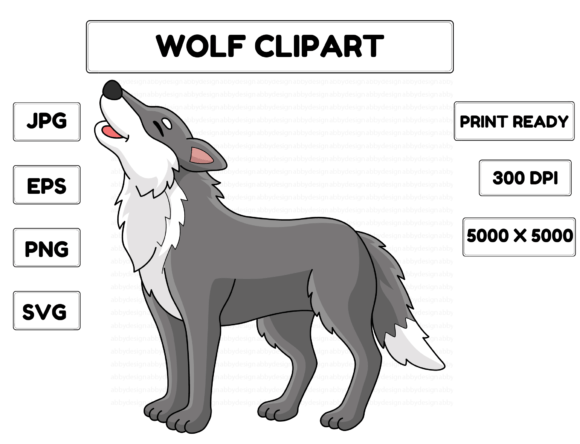
When you need to inject a bit of personality into a project, stock photography often falls short. It can feel sterile or overly generic. This is where the Wolf Animal Colored Cartoon Illustration steps in to bridge that gap. It isn’t just a picture of a wolf; it is a piece of digital clipart designed with a specific narrative intent. The hand-drawn nature of this asset provides a warmth that vector automation cannot replicate. You can see the human touch in the line work and the coloring, making it feel approachable and distinct.
This particular creative font of visual assets presents a unique character. It captures the essence of the animal without the predatory realism that might be off-putting for younger audiences or family-friendly branding. Instead, it offers a cute cartoon style that balances the wolf’s natural mystique with friendly appeal. The "colored" aspect is crucial here; the palette is already established, giving you a ready-made color story to build around. Whether you are designing for a nature blog, a children’s book, or a rugged outdoor brand with a playful twist, this illustration serves as a versatile anchor point.
Practicality Meets Design: File Formats and Specifications
One of the most common frustrations with clipart is a lack of technical versatility. You download an image only to find it pixelates when you try to print it or lacks a transparent background for layering. The Wolf Animal Colored Cartoon Illustration solves this by bundling four industry-standard formats: JPG, EPS, SVG, and PNG.
The inclusion of SVG and EPS files is particularly valuable for professional designers working on logo design or large-scale packaging design. These vector formats ensure that the illustration remains crisp at any size, whether it is on a business card or a billboard. Meanwhile, the JPG and PNG files are optimized for immediate use in digital environments. With dimensions of 5000 x 5000 pixels and a resolution of 300 DPI, these files are truly high-quality print ready images.
For those working on web design or social media graphics, the PNG file is indispensable. The transparent background allows you to drop the wolf onto any surface—be it a patterned header or a solid color block—without worrying about awkward white boxes. This flexibility makes it a robust addition to any designer's library of design assets.
Strategic Applications for Modern Brands
How do you actually use a cartoon wolf in a serious business context? The key is understanding visual tone. In modern typography and branding, contrast is often what makes a design memorable. Pairing this playful illustration with a sharp, professional sans serif font creates a dynamic tension that is visually appealing. It suggests a brand that is professional but doesn't take itself too seriously—a trait highly valued by younger demographics.
Consider the following scenarios where this illustration shines:
- Educational Content: For teachers and course creators, this Wolf Animal Colored Cartoon Illustration can serve as a mascot or a section divider. It helps break up dense text, making learning materials more digestible and engaging.
- Editorial Design: If you are publishing a magazine or a blog post about wildlife, scouting, or outdoor adventures, this image adds a layer of visual storytelling that stock photos lack.
- Merchandise: Because the file is high quality print ready, it works well on stickers, t-shirts, or tote bags. The cartoon style translates well to physical goods where clarity and charm are priorities.
- Brand Identity: Small businesses, particularly those in the pet care, children's entertainment, or outdoor recreation sectors, can use this illustration to build a recognizable brand identity. A consistent mascot helps with brand recall.
Integrating the Illustration with Typography
A great image can be undermined by poor typography, and vice versa. When using the Wolf Animal Colored Cartoon Illustration, you need to think about how text interacts with the image. If you are creating a header image, the illustration should not compete with the headline. Instead, they should complement each other.
For example, if you are using a bold display font for your title, ensure the wolf illustration is placed in a way that doesn't clutter the visual hierarchy. The "cute cartoon style" of the wolf pairs exceptionally well with handwritten fonts or rounded serif fonts, which mimic the organic feel of the hand-drawn art. However, avoid using overly decorative script fonts directly next to the illustration, as this can create a "visual noise" that confuses the reader.
Think about the mood you want to set. A wolf often symbolizes loyalty, intuition, and community. If your brand values align with these traits, using this clipart consistently across your social media graphics and website can subconsciously reinforce those messages to your audience. It turns a simple graphic into a strategic tool for audience engagement.
Evaluating Fit and Licensing
Before integrating any asset into a commercial project, due diligence is required. The Wolf Animal Colored Cartoon Illustration is provided for various needs, but you should always ensure your specific usage aligns with the licensing terms provided. For entrepreneurs and small business owners, the ability to use a commercial font or asset without fear of copyright infringement is non-negotiable.
When evaluating the fit for your project, zoom in on the details. Check the line consistency and the color saturation. Does the "colored" aspect match your existing palette? If not, you may need to adjust the hue in post-production software, which is easy to do with the vector EPS or SVG files. This adaptability is what separates a standard clipart file from a premium design asset.
Ultimately, the goal is to create a cohesive visual experience. By treating this illustration not just as a picture, but as a functional element of your modern typography and layout strategy, you elevate the entire project. It moves beyond decoration and becomes a meaningful part of your communication toolkit.