Nordic Fox: Scandinavian Folklore Animal in Modern Design
There’s a certain magic in Scandinavian folklore—stories of clever creatures, ancient forests, and a deep connection to nature. The Nordic Fox, a figure often portrayed as a shrewd and resilient survivor, captures that essence perfectly. This character has transcended myth to become a powerful visual symbol. When translated into a creative font or design asset, like the Nordic Fox. Scandinavian Folklore Animal illustration in a tribal style, it offers a unique blend of primal energy and refined artistry. For designers, marketers, and brand builders, it’s more than just a pretty graphic; it’s a storytelling tool with a distinct personality.
Visual Character and Stylistic Appeal
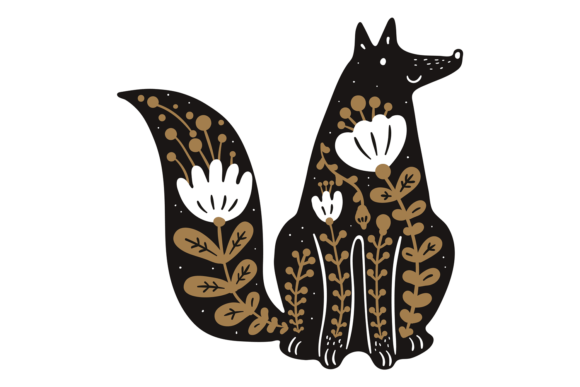
The first thing you notice about a well-executed Nordic Fox design is its stylized form. This isn’t a realistic wildlife photograph. Instead, it’s a deliberate artistic interpretation. Think clean lines, geometric influences, and a sense of movement. The tribal style often incorporates patterns inspired by Norse knotwork or Sami duodji, giving the fox an almost totemic quality. The color palette is typically restrained—deep charcoals, warm earth tones, or a stark black on white—emphasizing form over flourish.
This aesthetic sits at a fascinating crossroads. It feels both modern and ancient. The simplicity aligns with contemporary design trends that favor minimalism and bold shapes, while the folklore roots provide depth and narrative. It’s a premium font or asset that doesn’t scream for attention but commands it through confidence and cultural resonance. The fox’s expression, often suggested by a few clever lines, can convey wisdom, curiosity, or playful cunning, making it a versatile emotional anchor for a design.
Strategic Applications Across Projects
Where does a motif like the Nordic Fox truly shine? Its strength lies in projects that seek to communicate authenticity, cleverness, or a connection to natural and cultural heritage. For brand identity, it’s a standout choice. Imagine it as the centerpiece of a logo for an outdoor apparel company, a craft brewery specializing in Nordic-inspired ales, or a boutique consultancy that prides itself on strategic thinking. The fox becomes a symbol of the brand’s core personality.
In editorial design and packaging design, it adds instant character. A book cover for a fantasy novel, a label for artisanal honey, or the masthead for a nature-focused magazine gains a layer of sophistication and intrigue. For digital use, it’s highly effective as an icon, a website hero image, or a recurring motif in social media graphics. The Nordic Fox. Scandinavian Folklore Animal in EPS or JPG format ensures scalability and crispness across screens and print. Small business owners can leverage it to create a memorable visual hook that sets them apart in crowded marketplaces.
Practical Guidance for Implementation
Choosing and using such a distinctive asset requires a thoughtful approach. First, consider readability and context. If the fox illustration is used alongside text, especially in a logo, ensure the detail level doesn’t become muddy at small sizes. Test it. A simplified version might be needed for a favicon or social media profile picture.
Next, think about font pairing. The Nordic Fox has a strong personality. Pair it with typefaces that complement, not compete. A clean, modern sans serif or a sturdy serif font often works beautifully, allowing the illustration to be the star. Avoid overly ornate script fonts or handwritten fonts that could clash stylistically. The goal is balance.
Finally, always clarify licensing. If you’re using this for a commercial project—client work, merchandise, or a business logo—verify the license permits that use. Many premium design assets come with clear commercial terms, but it’s your responsibility to check. Using a licensed asset properly is a mark of professionalism and protects your work.
The Nordic Fox is more than a fleeting trend. It’s a timeless archetype reimagined for contemporary design. By understanding its visual language and applying it with intention, you can create work that feels both rooted and refreshingly original. It’s a tool for building brands that tell better stories.